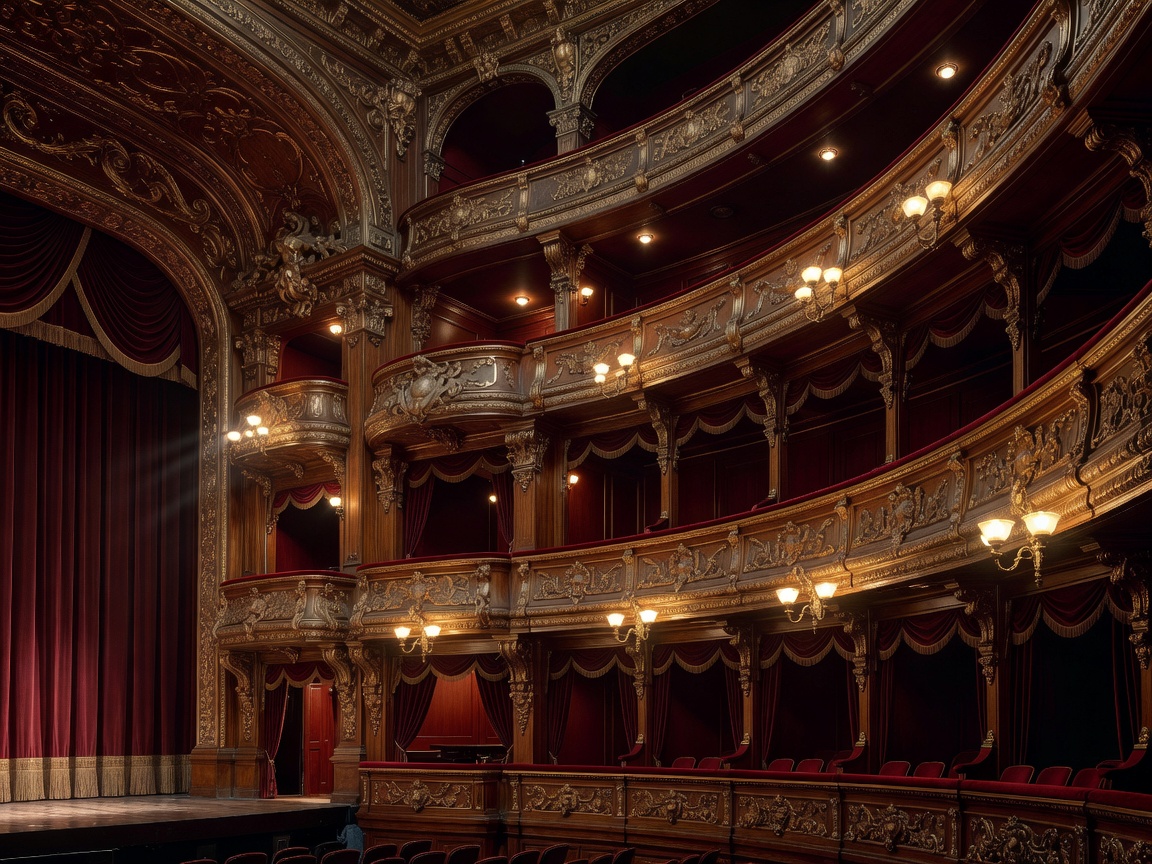
Start with the production, not the building
Large musical productions often benefit from central stalls or front mezzanine positions where choreography reads cleanly. Intimate plays can be powerful from closer side seats, while opera, dance and classical concerts rely heavily on balanced sound and uninterrupted sightlines.
Check sightlines before price
Historic theatres can include restricted-view seats caused by pillars, balcony overhangs, safety rails or steep side angles. Official seating maps are the safest starting point because third-party listings may not show every obstruction. In London, Official London Theatre publishes show information and links to authorised sellers. For Broadway, Broadway.org is run by The Broadway League and provides official show and theatre information.
Compare common seating zones
| Area | Best for | Watch for |
|---|---|---|
| Stalls / Orchestra | Facial expression, immediacy, immersive staging | Very front rows can strain the neck or miss full choreography |
| Dress Circle / Mezzanine | Musicals, dance formations and balanced stage pictures | Front railings may affect shorter audience members |
| Balcony / Gallery | Lower prices and full-stage composition | Distance, steep stairs and less facial detail |
Accessibility is part of quality
Before booking, review step-free routes, lift availability, wheelchair positions, companion seating, accessible toilets, captioned performances, audio-described dates and hearing-loop information. Major venues usually publish access pages; for example, the National Theatre access information explains accessible performances and building facilities.
Good external resources
- Official London Theatre for London listings and authorised ticketing guidance.
- Broadway.org for official Broadway show and theatre information.
- Shakespeare’s Globe for groundling, seated and open-air theatre information.